When your vehicle suffers collision damage, one of the first questions that comes to mind is how long does collision repair take? At EP Auto, Tire & Glass in Minnetonka, Minnesota, we understand that being without your vehicle creates significant inconvenience in your daily life.
The timeline for collision repair varies dramatically based on several factors, and we want to help you understand what influences these timeframes. Our certified mechanics and skilled technicians have worked on countless collision repairs, giving us valuable insight into realistic expectations for different types of damage.
Understanding the collision repair process and its timeline helps you plan accordingly and make informed decisions about your vehicle’s restoration. Let’s break down the factors that determine repair duration and what you can expect at each stage.
Factors That Determine Collision Repair Timeline
This question doesn’t have a simple answer because multiple variables influence the timeline. Damage severity is the most significant factor, but it’s far from the only consideration.
Vehicle age and model complexity play crucial roles in repair duration. Modern vehicles feature sophisticated electronic systems, advanced driver-assistance features, and complex safety components that require specialized attention during mechanical service. At EP Auto, Tire & Glass, our team stays current with manufacturer standards specifically to handle these advanced systems properly.
Parts availability can significantly impact repair timelines, especially for less common vehicle models or when dealing with supply chain disruptions. Our location at 13600 County Rd 62 in Minnetonka allows us to work with multiple suppliers, but some specialized components may require additional waiting time.
Insurance approval processes also affect how quickly repairs can begin. While we work directly with insurance companies to streamline this process, claim complexity and adjuster availability can create delays beyond our control.
Types of Collision Damage and Repair Timeframes
Different types of collision damage require varying repair approaches and timelines. Understanding these categories helps set realistic expectations for your specific situation:
- Minor collision damage typically includes small dents, scratches, and cosmetic issues that don’t affect vehicle safety or functionality. These repairs often take 1-3 days, depending on paint matching and curing requirements.
- Moderate collision damage involves more extensive bodywork, potential frame alignment issues, and possible mechanical component replacement. These repairs generally require 1-2 weeks, especially when advanced driver assistance systems need recalibration.
- Major collision damage affects structural integrity, requires extensive parts replacement, and may involve engine, transmission, or safety system repairs. These complex repairs can take 3-4 weeks or longer, particularly when dealing with supply chain delays.
The table below outlines typical timeframes for different damage levels:
Damage Level | Typical Repair Time | Common Issues |
Minor | 1-3 days | Scratches, small dents, touch-up paint |
Moderate | 1-2 weeks | Body panels, lights, bumpers, alignment |
Major | 3-4+ weeks | Frame damage, engine components, multiple systems |
The Complete Collision Repair Process
Understanding the collision repair process helps explain why collision repair duration varies so significantly between different vehicles and damage types. Each step requires careful attention to ensure safety and quality.
Initial Assessment and Documentation
Our first step involves thorough damage assessment and documentation. This process typically takes 1-2 hours, but can extend longer for complex damage patterns. We photograph all damage, create detailed repair estimates, and identify potential hidden issues that may emerge during disassembly.
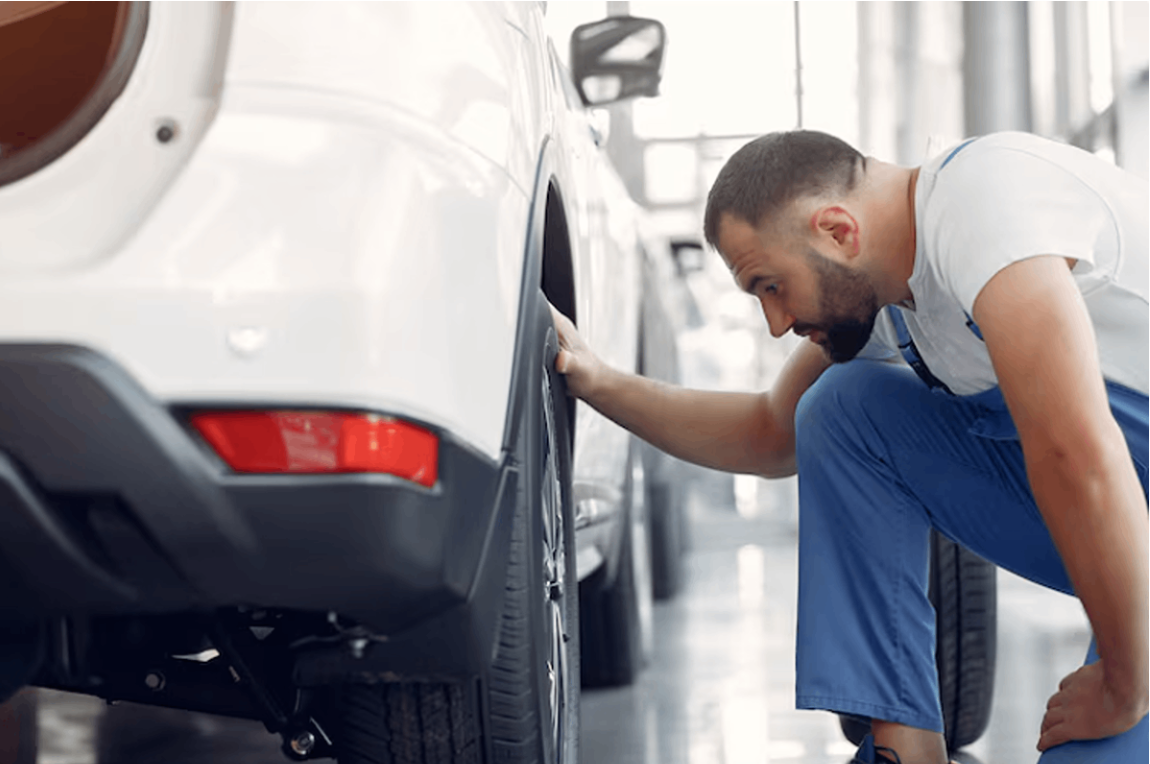
During this phase, we also check for safety system impacts, particularly advanced driver assistance features that may require recalibration after repairs. Our computerized diagnostic capabilities help identify electronic issues that aren’t immediately visible.
Insurance Coordination and Approval
Insurance coordination can add several days to the overall timeline, depending on claim complexity and adjuster availability. We work directly with insurance companies to expedite this process, but factors beyond our control sometimes create delays.
Some insurance companies require additional inspections or approve repairs in phases, which can extend the timeline. We maintain transparent communication throughout this process to keep you informed of any delays or complications.
Parts Ordering and Delivery
Parts availability significantly impacts repair timelines, especially for newer vehicles or less common models. Common parts for popular domestic and foreign vehicle brands typically arrive within 2-3 business days.
Specialized components, particularly for advanced safety systems or unique vehicle features, may require 1-2 weeks for delivery. We order parts as soon as insurance approval is received to minimize delays.
Disassembly and Hidden Damage Assessment
Vehicle disassembly often reveals additional damage not visible during initial assessment. This discovery can extend repair timelines by several days while we document new damage, obtain additional insurance approvals, and order supplementary parts.
Our experienced technicians carefully document any hidden damage with photographs and detailed descriptions. We immediately contact insurance companies and vehicle owners to discuss these findings and their impact on repair timelines.
Body Work and Structural Repairs
The actual repair work duration depends heavily on damage extent and complexity. Simple body panel replacement might take 1-2 days, while frame straightening and structural repairs can require a week or more.
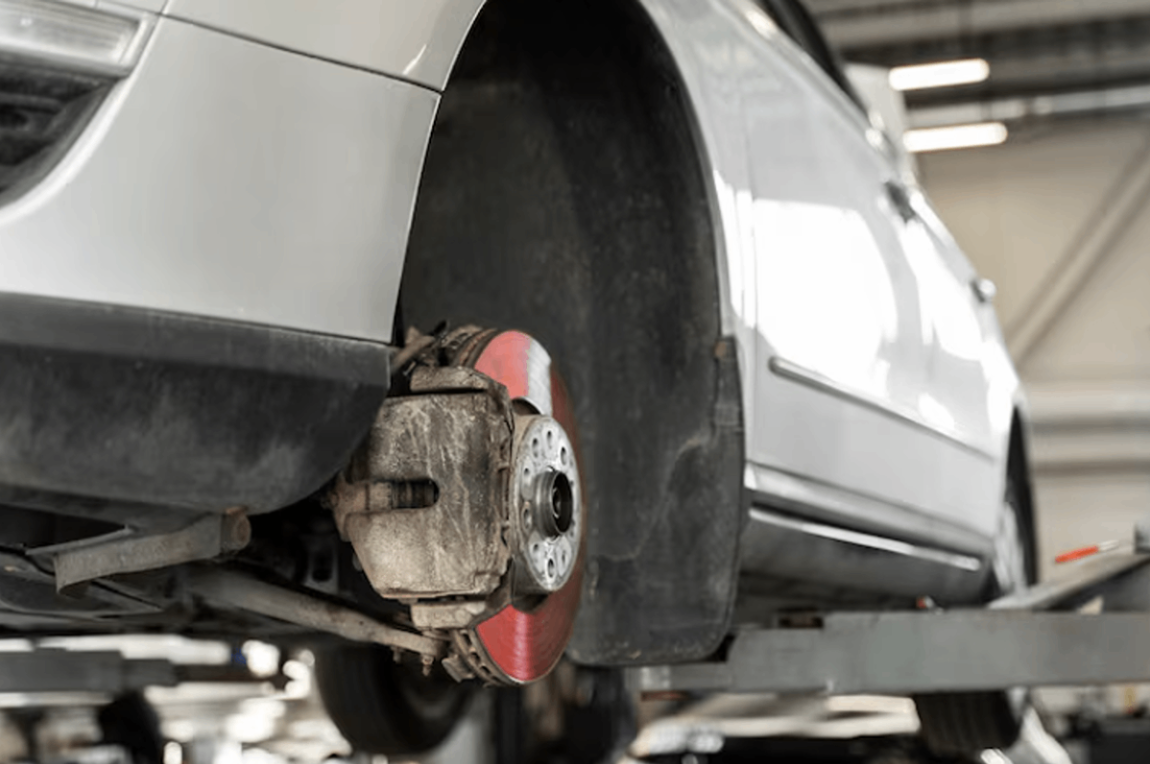
Our facility emphasizes safety-related repairs, ensuring that all structural work meets manufacturer specifications. This attention to detail is crucial for vehicle safety, but may extend repair timelines compared to shortcuts that compromise quality.
Paint and Finishing Work
Paintwork requires specific environmental conditions and curing time that cannot be rushed. Proper paint preparation, application, and curing typically add 2-3 days to repair timelines, regardless of damage extent.
Color matching for older vehicles or unique paint finishes may require additional time and multiple coats to achieve proper results. Weather conditions can also affect paint curing times, particularly during Minnesota’s humid summer months or cold winter periods.
System Calibration and Testing
Modern vehicles require extensive system calibration after collision repairs, particularly when safety systems, cameras, or sensors are involved. Our team specializes in advanced driver assistance systems calibration to ensure proper function.
This calibration process can take several hours and requires specialized equipment and training. We never skip this crucial step, as improperly calibrated safety systems can create dangerous driving conditions.
Final Quality Inspection
Our final quality inspection ensures that all repairs meet our standards and manufacturer specifications. This process includes road testing, system verification, and detailed inspection of all repair work.
We also verify that all electronic systems function properly and that the vehicle meets safety standards. This final step typically takes 2-3 hours but is essential for ensuring repair quality and vehicle safety.
Common Delays in Collision Repair
Several factors commonly extend collision repair timelines beyond initial estimates. Understanding these potential delays helps set realistic expectations and reduces frustration during the repair process:
- Parts availability issues represent the most common cause of repair delays. Supply chain disruptions, discontinued parts, or specialized component requirements can add days or weeks to repair timelines.
- Hidden damage discovery during disassembly frequently extends repair timelines. Structural damage, wiring issues, or fluid system problems often aren’t visible until panels are removed and components are accessed.
- Insurance approval delays can slow progress when additional damage is discovered or when claims require additional documentation. Complex claims or disputed coverage issues may require extended negotiation periods.
- Weather conditions affect paint work and some repair processes. High humidity, extreme temperatures, or poor air quality can delay paint application and curing processes.
Collision damage may also affect related systems requiring tire service or glass repair, which can extend overall repair timelines.
How Minnesota Weather Affects Repair Timelines
Minnesota‘s challenging weather conditions can impact collision repair timelines in several ways. Our location in Minnetonka gives us extensive experience managing weather-related repair challenges.
Winter conditions affect paint work significantly, as cold temperatures and low humidity can extend curing times. We maintain climate-controlled work areas specifically to minimize weather impacts on repair quality and timelines.
Spring and summer humidity can also affect paint application and curing processes. While warm temperatures generally speed curing, high humidity requires careful timing and environmental control for optimal results.
Minnesota’s road salt and harsh winter conditions often reveal additional corrosion damage during repair disassembly. This hidden damage frequently extends repair timelines while we address underlying corrosion issues that compromise safety.
Planning for Vehicle Downtime
Since how long collision repair takes varies significantly, planning for vehicle downtime becomes crucial for maintaining daily routines. We recommend preparing for repair timelines that extend beyond initial estimates.
Rental car coordination should begin immediately after collision damage occurs. Many insurance policies cover rental vehicles during repair periods, but availability and approval processes can create delays.
Alternative transportation arrangements become particularly important during Minnesota winters when weather conditions make alternative transportation options less viable. Public transportation, ride-sharing services, or temporary vehicle borrowing from family members require advance planning.
Work and family schedule adjustments may be necessary for extended repair periods. We maintain open communication throughout the repair process to provide updated timeline estimates and help with planning decisions.
The following table shows typical downtime planning considerations:
Repair Duration | Planning Considerations | Recommended Actions |
1-3 days | Minimal disruption | Arrange rides, work from home |
1-2 weeks | Moderate adjustment | Secure rental car, adjust schedules |
3+ weeks | Significant planning | Long-term rental, alternative arrangements |
Choosing Quality Over Speed
Focusing solely on speed can compromise repair quality and vehicle safety. At EP Auto, Tire & Glass, we prioritize proper repair procedures over rushed timelines.
Quality collision repair requires attention to detail, proper part installation, and thorough system testing. Rushing these processes can result in premature failure, safety issues, or additional repairs that ultimately cost more time and money.
Our certified mechanics follow manufacturer standards and industry best practices, even when these procedures extend repair timelines. This approach ensures that your vehicle returns to pre-accident condition and maintains its safety features.
Some repair shortcuts that speed completion actually compromise long-term reliability and safety. We refuse to use these shortcuts, instead focusing on repairs that restore your vehicle‘s integrity and protect your family’s safety.
Communication During the Repair Process
Clear communication throughout the collision repair process helps manage expectations and reduces anxiety about extended timelines. We maintain regular contact with vehicle owners to provide updates and explain any timeline changes.
Our Monday through Friday hours from 7:00 AM to 5:30 PM provide convenient communication opportunities for working customers. We return phone calls promptly and provide detailed explanations of repair progress and any complications that arise.
When timeline extensions become necessary, we clearly explain the reasons and provide updated completion estimates. This transparent communication helps customers make informed decisions about transportation alternatives and schedule adjustments.
We also coordinate directly with insurance companies to resolve approval delays and keep repair progress moving forward. This coordination reduces customer stress and minimizes administrative delays that extend repair timelines.
Technology’s Impact on Repair Duration
Modern vehicle technology significantly affects how long collision repair takes, often extending traditional timeline expectations. Advanced driver assistance systems, complex electronic networks, and sophisticated safety features require specialized repair approaches.
Camera and sensor systems need precise calibration after any collision repair that affects their mounting locations or operating parameters. This calibration process requires specialized equipment and trained technicians, adding time to the repair completion.
Electronic system integration means that seemingly minor repairs can affect multiple vehicle functions. Our computerized diagnostic capabilities help identify these interconnections, but addressing them properly takes additional time.
Hybrid and electric vehicle systems require specialized safety procedures and trained technicians. These vehicles often need extended repair timelines to ensure that high-voltage systems are properly isolated, repaired, and tested.
Working with Insurance Companies
Insurance company procedures significantly influence collision repair timelines, often determining when repairs can begin and how they progress. Understanding these processes helps set realistic timeline expectations.
Initial claim filing and adjuster assignment can take several days, particularly during busy periods or when dealing with complex claims. We work with all major insurance companies and understand their specific requirements and procedures.
Repair approval processes vary between insurance companies, with some requiring detailed estimates and others approving work in phases as damage is discovered. These different approaches can significantly impact repair timelines.
Supplemental damage approvals often extend timelines when hidden damage is discovered during disassembly. We document all additional damage thoroughly and work with adjusters to expedite approval processes.
Estimating Your Specific Repair Timeline
While general guidelines help understand typical repair durations, your specific situation requires individual assessment to determine how long collision repair will take for your vehicle.
Our initial damage assessment provides the foundation for timeline estimates, but we always explain that hidden damage discoveries can extend these projections. Honest communication about potential timeline variations helps prevent disappointment and facilitates better planning.
Vehicle age, model complexity, and damage location all influence repair duration. Newer vehicles with advanced safety systems typically require longer repair periods due to calibration requirements and parts complexity.
Parts availability research begins immediately during the estimate process, allowing us to identify potential delays early. We provide updated timeline estimates as parts delivery information becomes available.
Alternative Transportation Options
Planning alternative transportation becomes crucial when collision repairs extend beyond initial estimates. We help customers understand their options and work with insurance companies to facilitate rental car coverage.
Insurance rental car coverage varies significantly between policies and companies. Some provide unlimited coverage during repair periods, while others limit rental duration or vehicle types. Understanding your specific coverage helps with planning decisions.
Rental car availability can become limited during peak demand periods or when specific vehicle types are required. Early reservation helps ensure transportation availability throughout the repair period.
Public transportation options in the Minnetonka area provide alternatives for some daily commuting needs. However, Minnesota winters can make these options less practical, particularly for customers with family obligations or complex schedules.
Red Flags in Collision Repair Timelines
Unrealistically short repair estimates often indicate corners will be cut or proper procedures bypassed. Quality collision repair simply cannot be rushed without compromising safety or longevity.
Shops that cannot provide detailed timeline explanations or refuse to discuss potential delays may lack the experience or transparency necessary for quality collision repair. We believe in honest communication about all aspects of the repair process.
Pressure to accept repairs without proper insurance documentation or approval can lead to coverage disputes and unexpected costs. We work within proper insurance procedures to protect customers from financial complications.
The Importance of Proper Repair Documentation
Detailed repair documentation protects vehicle value and provides important maintenance records for future reference. Our thorough documentation practices also help expedite warranty claims if issues arise after repair completion.
Before and after photographs document repair quality and help verify that all damage was properly addressed. This documentation becomes particularly important for insurance purposes and potential vehicle resale.
Parts and labor documentation provides detailed records of all work performed, including part numbers, labor times, and calibration procedures. These records help future service providers understand repair history and potential maintenance needs.
Get Expert Collision Repair at EP Auto, Tire & Glass
When your vehicle needs collision repair, trust the experienced team at EP Auto, Tire & Glass to provide quality service with realistic timelines. Our certified mechanics and skilled technicians combine traditional automotive expertise with current technology to restore your vehicle properly.
Contact us today to discuss your collision repair needs and get an honest assessment of repair timelines. We’re located at 13600 County Rd 62 in Minnetonka, open Monday through Friday from 7:00 AM to 5:30 PM, ready to help restore your vehicle to pre-accident condition.
Repair timelines and costs may vary based on vehicle condition, parts availability, and insurance coverage specifics