
Car batteries don’t usually fail without warning. Most of the time, they give us clear signals that they’re struggling before they completely die.
Knowing how to tell if your battery is dying can save you time, money, and the headache of unexpected breakdowns.
At EP Auto, Tire & Glass, we’ve helped countless Minnetonka drivers recognize these warning signs and avoid the frustration of being stranded with a dead battery.
Our certified mechanics see battery-related issues regularly, especially during Minnesota’s harsh winters when cold temperatures put extra stress on automotive electrical systems.
The Most Common Signs Your Battery Is Failing
Your car’s battery powers everything from the starter motor to the lights and radio. When it starts to weaken, you’ll notice changes in how these systems perform. We’ve found that most drivers miss the early warning signs because they develop gradually over time.
The first sign many people notice is slower engine cranking. Your engine might still start, but it takes longer than usual, or the starter sounds labored. This happens because the battery can’t provide enough power to turn the engine over quickly.
Dashboard warning lights are another clear indicator. Many modern vehicles have battery warning lights that illuminate when the charging system detects problems. Don’t ignore these lights – they’re designed to give you advance notice before complete failure.
Electrical System Problems That Signal Battery Issues
When your battery starts to fail, it affects your entire electrical system. We often see customers who notice their headlights dimming, especially when idling at traffic lights. This happens because the battery can’t maintain a consistent voltage output.
Interior lights may also appear dimmer than normal, or you might notice that power windows move more slowly. These symptoms become more obvious when the engine is off and the alternator isn’t charging the battery.
Modern vehicles rely heavily on electronic systems, from engine management computers to safety features. A weak battery can cause these systems to behave unpredictably, potentially affecting performance and safety.
Physical Signs of Battery Deterioration
Visual inspection can reveal important clues about your battery’s condition. At EP Auto, Tire & Glass, our technicians always check for physical signs of battery problems during routine maintenance visits.
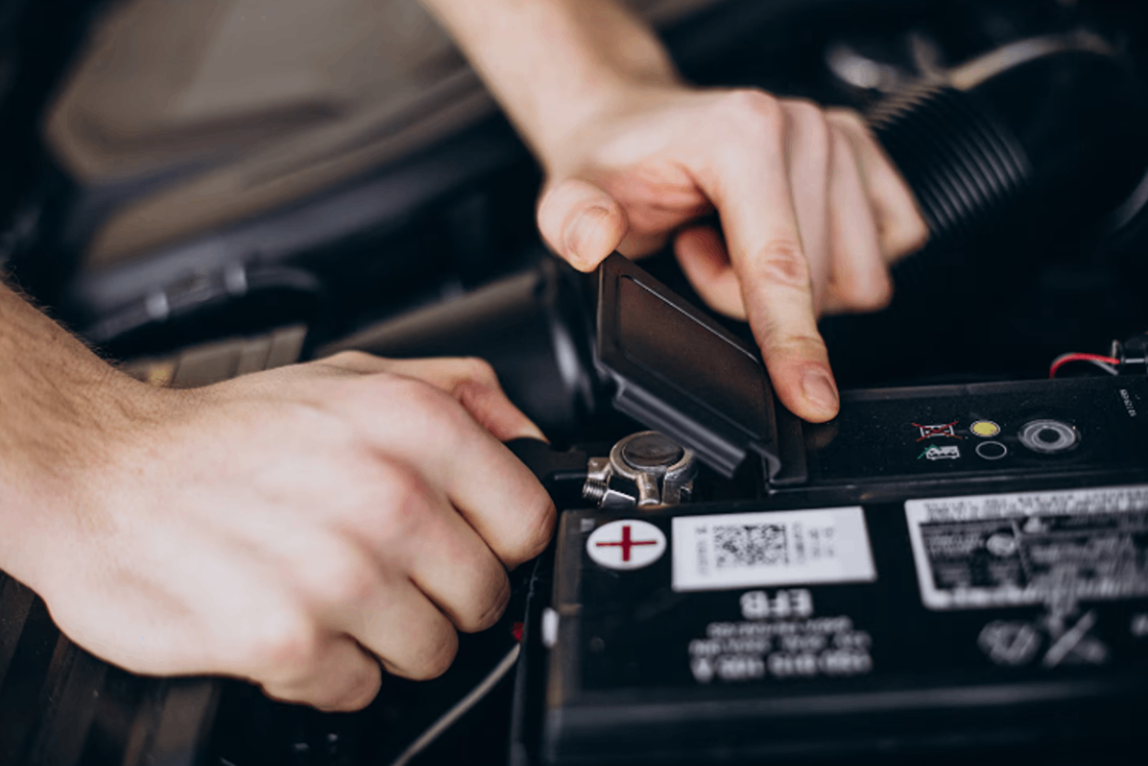
Corrosion around the battery terminals is common and often indicates that gases are escaping from the battery. You’ll see white, blue, or greenish powder around the terminal connections. While some corrosion is normal, excessive buildup suggests internal battery problems.
Swelling or bulging of the battery case indicates serious internal damage. This usually happens when the battery has been overcharged or exposed to extreme temperatures. A swollen battery should be replaced immediately as it can leak dangerous chemicals.
Check for cracks in the battery case or signs of fluid leakage. Battery acid is corrosive and dangerous, so any visible damage to the case means immediate replacement is necessary.
How Cold Weather Affects Battery Performance
Minnesota winters are particularly hard on car batteries. Cold temperatures significantly reduce battery capacity, making it harder for your battery to provide the power needed to start your engine.
We see more battery failures during cold snaps because chemical reactions inside the battery slow down in low temperatures. A battery that works fine in summer might struggle when temperatures drop below freezing.
If you notice starting problems primarily in cold weather, your battery might still have some life left, but it is beginning to weaken. This is often the first sign that replacement will be needed soon.
Testing Your Battery’s Condition
While professional testing gives the most accurate results, there are some basic checks you can perform yourself. However, we recommend having your battery professionally tested at a mechanical service at least twice a year, especially before the summer and winter seasons.
Here’s what you can check at home:
- Visual inspection: Look for corrosion, swelling, or cracks
- Terminal tightness: Ensure connections are secure but not over-tightened
- Fluid levels: Check electrolyte levels in serviceable batteries
- Age verification: Most batteries last 3-5 years under normal conditions
Professional testing equipment can measure your battery’s actual capacity and charging system performance. Our computerized diagnostic capabilities at EP Auto, Tire & Glass can identify battery problems before they leave you stranded.
Understanding Battery Age and Lifespan
Most car batteries last between three to five years, depending on usage patterns, climate, and maintenance. In Minnesota’s climate, batteries often fail closer to the three-year mark due to temperature extremes.
You can usually find the manufacturing date stamped on your battery case. If your battery is approaching four years old and you’re noticing any warning signs, it’s wise to start planning for replacement.
Frequent short trips, extreme temperatures, and leaving lights on can shorten battery life. Conversely, regular driving and proper maintenance can help your battery reach its full lifespan potential.
Warning Signs During Different Seasons
Battery problems manifest differently throughout the year. Understanding seasonal patterns can help you recognize when your battery needs attention.
Season | Common Warning Signs | Why It Happens |
Winter | Slow cranking, dim lights, and starting failures | Cold reduces battery capacity |
Spring | Sudden failures after winter stress | Accumulated damage becomes apparent |
Summer | Swelling, fluid loss, overheating | Heat accelerates chemical breakdown |
Fall | Gradual performance decline | Preparing for winter stress |
During summer, heat can actually be more damaging to batteries than cold. High temperatures speed up the chemical reactions that cause internal battery breakdown.
Steps to Take When You Suspect Battery Problems
When you notice signs that your battery might be failing, taking prompt action can prevent unexpected breakdowns. Don’t wait until you’re stranded to address battery problems.
- Schedule professional testing at a qualified service center
- Clean battery terminals if you notice minor corrosion
- Check battery age and maintenance records
- Monitor the starting performance over several days
- Avoid unnecessary electrical loads until testing is complete
- Plan for replacement if the battery is over three years old
We always recommend addressing battery concerns promptly, especially before long trips or extreme weather seasons.
How Modern Vehicles Complicate Battery Diagnosis
Today’s vehicles have complex electrical systems that can mask battery problems or create symptoms that seem unrelated to the battery. Advanced driver assistance systems, engine management computers, and entertainment systems all draw power even when the car is off.
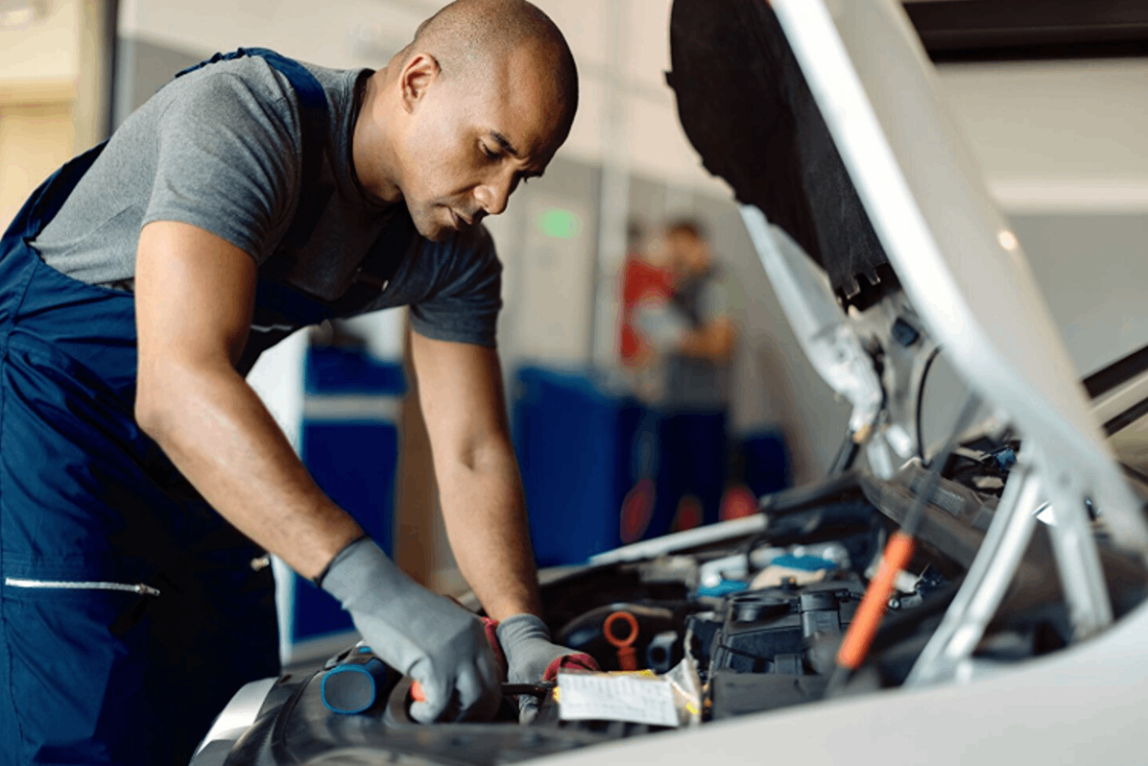
These “parasitic draws” can drain a weak battery overnight, making it seem like the battery failed suddenly when it was actually declining gradually. A professional diagnosis can identify whether you have a battery problem, a charging system issue, or excessive electrical draw.
Our technicians at EP Auto, Tire & Glass use modern computerized diagnostic equipment to accurately identify the root cause of electrical system problems, ensuring you get the right repair the first time.
Battery Maintenance Tips to Extend Life
Proper maintenance can significantly extend your battery’s lifespan and help you avoid unexpected failures. Simple preventive measures can save you money and inconvenience.
Keep battery terminals clean and tight, but don’t over-tighten connections. Apply a thin layer of petroleum jelly to terminals after cleaning to prevent future corrosion.
If you have a serviceable battery, check electrolyte levels monthly and add distilled water as needed. Never add tap water, as minerals can damage the battery.
Avoid leaving lights or accessories on when the engine is off. Even small electrical loads can drain a battery over time, especially if the battery is already weakening.
When Professional Help Is Necessary
While you can perform basic battery maintenance yourself, professional diagnosis and replacement ensure safety and proper system function. Battery acid is corrosive and potentially dangerous, and modern vehicles require specific procedures for battery replacement.
DIY Tasks | Professional Tasks |
Visual inspection | Load testing |
Terminal cleaning | Charging system diagnosis |
Age verification | Safe disposal |
Basic maintenance | Programming requirements |
Many newer vehicles require computer programming or system resets after battery replacement. Attempting this yourself can cause expensive damage to electronic systems.
The Cost of Ignoring Battery Warning Signs
Ignoring battery warning signs can lead to more expensive problems. A dead battery can damage your alternator if it has to work harder to charge a failing battery. Jump-starting a severely depleted battery can also cause damage to sensitive electronic components.
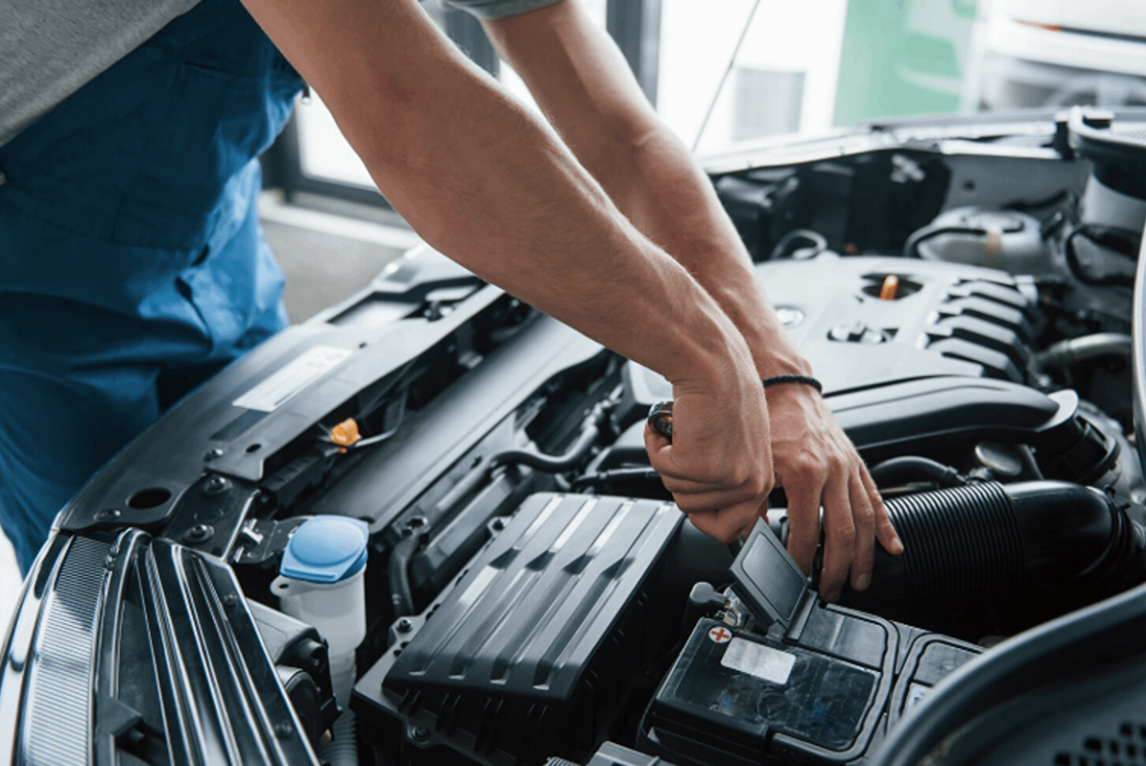
Being stranded with a dead battery often means towing costs and emergency service fees that far exceed the cost of preventive battery replacement. Emergency battery replacement typically costs more than planned replacement during regular business hours.
Trust the Professionals at EP Auto, Tire & Glass
Knowing the signs of a dying battery can save you from unexpected breakdowns, and regular professional inspections catch issues before they leave you stranded.
EP Auto, Tire & Glass makes it easy to spot the signs of a dying battery and prevent unexpected breakdowns with regular professional inspections.
Our certified mechanics combine experience and modern diagnostic tools to keep your battery and charging system in top condition.
Contact us today to schedule a battery test and make sure your vehicle is ready for whatever Minnesota weather brings! We’re located at 13600 County Rd 62 in Minnetonka, open Monday through Friday from 7:00 AM to 5:30 PM, ready to help keep you on the road.
Pricing and service availability are subject to change. Contact us for current rates and scheduling.